Official Government Website

Author: rtierney
ICDD signs on to DRI Statement on the Department of Justice Memorandum regarding Community Integration
On June 18th, the Department of Justice issued a confusing memorandum about community integration, the Americans with Disabilities Act, Section 504 of the Rehabilitation Act, and the Olmstead v. L.C. US Supreme Court decision from 1999.
Why is this memorandum confusing? First, it is titled a “slip opinion,” which could lead some readers to believe that the Americans with Disabilities Act, Section 504 of the Rehabilitation Act, and the Olmstead v. L.C. US Supreme Court decision from 1999 are no longer good law. That is not true.
Second, it leads states to believe that they no longer need to follow the Americans with Disabilities Act, Section 504 of the Rehabilitation Act, and the Olmstead v. L.C. US Supreme Court decision from 1999 regarding community integration. That is not true. These statutes have not been repealed, nor has the Olmstead decision been overturned.
Third, it is silent on the fiscal consequences a state may experience should it choose to follow the Memorandum. It is silent on the fact that institutional placements are the most expensive placements. It is silent on the fact that those costs will be passed on to Idaho taxpayers. It is silent on the cost to Idaho taxpayers to defend Idaho actions based on the memo should it be sued for not following current law and US Supreme Court decision.
Fourth, it is silent on the emotional consequences to Idaho citizens with disabilities and seniors who may be forced to give up their homes to live in institutions because there are inadequate available community services. The memo is silent on the emotional cost of no longer being able to participate in your church, visit your family, visit your friends, or access your long-time medical provider because now you must use the institution’s medical provider. Institutionalization also means losing your freedom to come and go as you please, which impacts your ability to volunteer, work, and attend school in your community. It is silent on the emotional costs to family members who now must worry about their family members being abused or neglected in an institution and watch them grieve the loss of their home and their community.
Fifth, it is silent about where these institutions will come from. It is silent on who will build and pay for these institutions. Currently, approximately 33,000 Idahoans use home and community-based services through the Aged and Disabled (A&D) Waiver and the Developmental Disability Waiver to live, work, and play in their communities. The majority of the 33,000 are Idaho seniors on the A&D Waiver. Does Idaho have the infrastructure to build and support institutions for 33,000 Idahoans with disabilities, or will it be out-of-state entities who come in and profit from such an endeavor?
What can Idaho do? It can choose to continue to support and fund community-based services. It can say no to new institutions. It can keep costs down by keeping people in their homes with individualized support. It can choose to respect the dignity and rights of its citizens. Idaho can say that the Idaho way is to live in your own home and community with the right support and services. Idaho can say no to isolation. Idaho can say yes to community, freedom, choice, and keeping families together.
Special Master Announced for KW v Armstrong Lawsuit
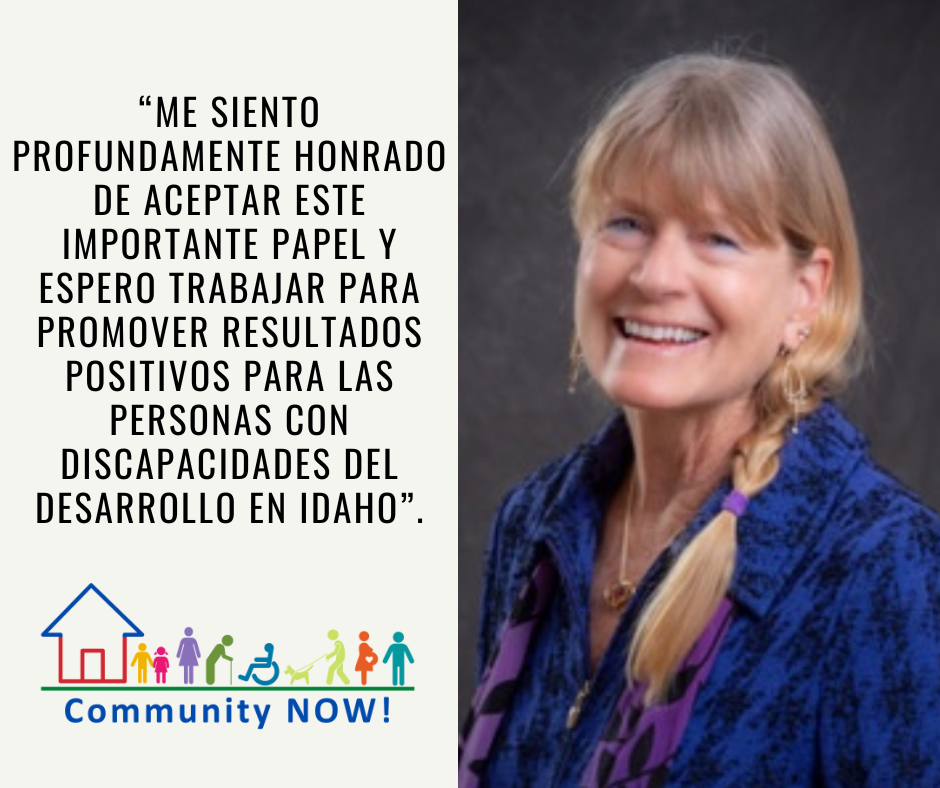
Judge Winmill appointed Ruby Moore as Special Master on December 11, 2024. The Idaho Council on Developmental Disabilities is excited to welcome her expertise and values in resolving the KW Lawsuit.
Ruby Moore is the CEO of the Georgia Advocacy Office, the designated Protection and Advocacy system for people with disabilities in Georgia. Ruby grew up with family members with disabilities. She has been nationally known for her work with people with disabilities for over 45 years, particularly in employment, augmentative and alternative communication, and the design and implementation of support needed for people with disabilities to live, work, and be educated in the community.
Ruby has served as an expert for the US Department of Labor, the US Department of Justice, Equal Opportunity Commission, and US Civil Rights Commission. She assisted the Department of Veteran’s Affairs in designing an employment program to help 50,000 homeless veterans experiencing post-traumatic stress, to access employment. She has testified before various federal administrative agencies, Congress, and the US Senate Health, Education, Labor, and Pensions (HELP) Committee. She founded an agency that works locally, nationally, and internationally to expand opportunities for people with disabilities to work.
Ruby has many years of practical experience designing, planning, evaluating, and delivering community support for people with disabilities. She has served as an expert in dozens of systems reform lawsuits, including landmark cases in the field such as Lane v. Brown, Halderman v Pennhurst, and Wyatt v Stickney. She is an Emerita Board Member of the National Association for Rights Protection and Advocacy, past President of TASH, a Founding Ambassador of SmartJob, LLC, and Vice President of the Global Leadership Exchange for Mental Health and Disability.
Anunciamos al Maestro Especial para KW v Armstrong
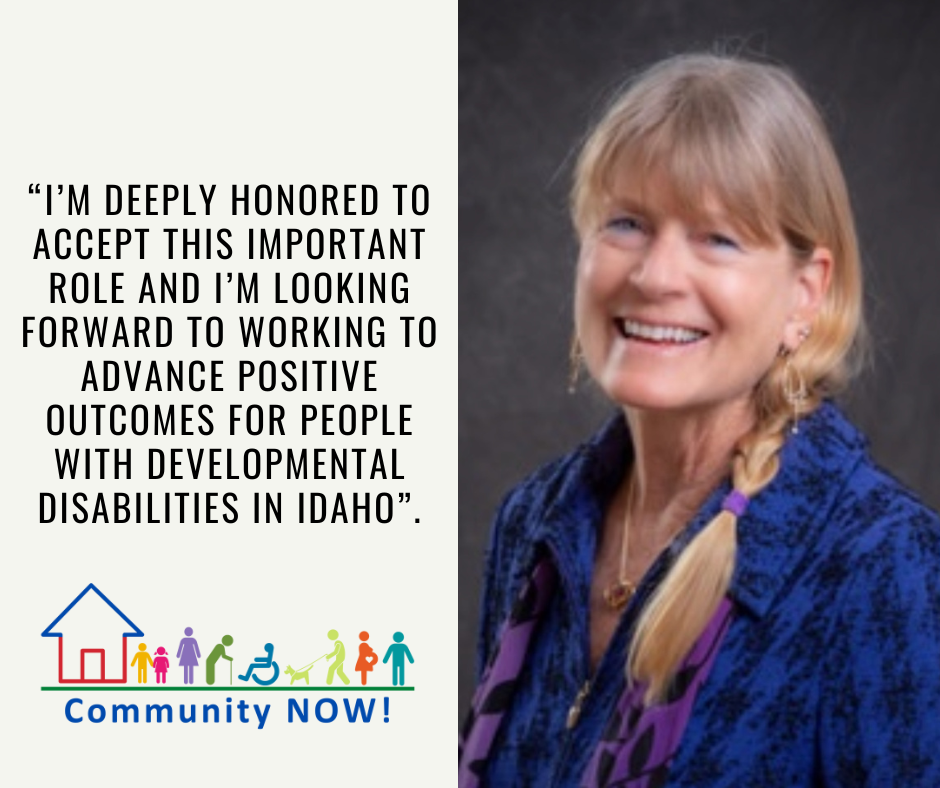
El juez Winmill designó a Ruby Moore como maestra especial el 11 de diciembre de 2024. El Consejo de Idaho para Discapacidades del Desarrollo se complace en darle la bienvenida a su experiencia y valores al trabajo de resolución de la demanda de KW.
Ruby Moore es la directora ejecutiva de la Oficina de Defensa de Georgia, el sistema de protección y defensa designado para personas con discapacidades en Georgia. Ruby creció con familiares con discapacidades. Es conocida a nivel nacional por su trabajo con personas con discapacidades durante más de 45 años, particularmente en las áreas de empleo, comunicación aumentativa y alternativa, y el diseño e implementación del apoyo necesario para que las personas con discapacidades vivan, trabajen y se eduquen en la comunidad.
Ruby se ha desempeñado como experta para el Departamento de Trabajo de EE. UU., el Departamento de Justicia de EE. UU., la Comisión de Igualdad de Oportunidades y la Comisión de Derechos Civiles de EE. UU. Ayudó al Departamento de Asuntos de Veteranos a diseñar un programa de empleo para ayudar a 50,000 veteranos sin hogar que experimentaban estrés postraumático a acceder a un empleo. Ha testificado ante varias agencias administrativas federales, el Congreso y el Comité de Salud, Educación, Trabajo y Pensiones (HELP) del Senado de los Estados Unidos. Fundó una agencia que trabaja a nivel local, nacional e internacional para ampliar las oportunidades de trabajo de las personas con discapacidades.
Ruby tiene muchos años de experiencia práctica en el diseño, planificación, evaluación y entrega de apoyos comunitarios para personas con discapacidades. Se ha desempeñado como experta en docenas de demandas de reforma de sistemas, incluidos casos históricos en el campo como Lane v. Brown, Halderman v Pennhurst y Wyatt v Stickney. Es miembro emérita de la Junta Directiva de la Asociación Nacional para la Protección y Defensa de los Derechos, ex presidenta de TASH, embajadora fundadora de SmartJob, LLC y vicepresidenta del Intercambio Global de Liderazgo para la Salud Mental y la Discapacidad.